.jpeg)
Let's talk about surfboards: A beginner's guide to understanding your board and choosing the right one
Getting started with surfing can feel overwhelming. I know that from personal experience. Between all the different surfboards, advice from other surfers, and brands that seem to promise the perfect ride, it's hard to know where to start. But over the years of working at Surf Spirit as a photographer and taking surfing lessons, I've learned something important: The key to getting better is choosing the right board that suits your skill level and wave conditions.
I've seen it all: many surfers switch to smaller boards far too early because they think that's the only way they're making progress. They end up frustrated. The truth is, surfboards aren't about looking cool, they're about moving you forward at your own pace. The first step is to understand the theory behind the boards. Through my work and my own surfing trip, I'm pretty familiar with it now.
When I take pictures of all the surfers riding waves, I also see how many are changing their boards too quickly, especially to smaller boards. I've watched countless beginners and advanced beginners struggle with it because they're simply not ready for such a drastic change yet. That's exactly why I'd like to break things down a bit and share a few simple tips on how to choose the right surfboard for you — based on your surfing level and the waves you're surfing.
The basics of a surfboard: What you need to know
Before we get into the different types of surfboards, it's important to understand the basics. Regardless of whether you are taking part in one of our surf & yoga retreats at Surf Spirit or simply want to get better on your own, knowing what a surfboard is made of will significantly improve your surfing experience.
A surfboard is not just a piece of foam, but has been specifically developed to function optimally under certain conditions. Here is an overview of the most important parts of a surfboard and how each one of them influences your riding experience:
Building a surfboard
.png)
Nose: The tip of the board, it can be pointed or round. The shape of the nose influences how the board cuts through the waves.
Tail: The end of the board, it determines how well you can turn and maneuver.
Rocker: The curve from nose to tail. A board with more rockers glides better across the waves, while a flatter board offers more speed.
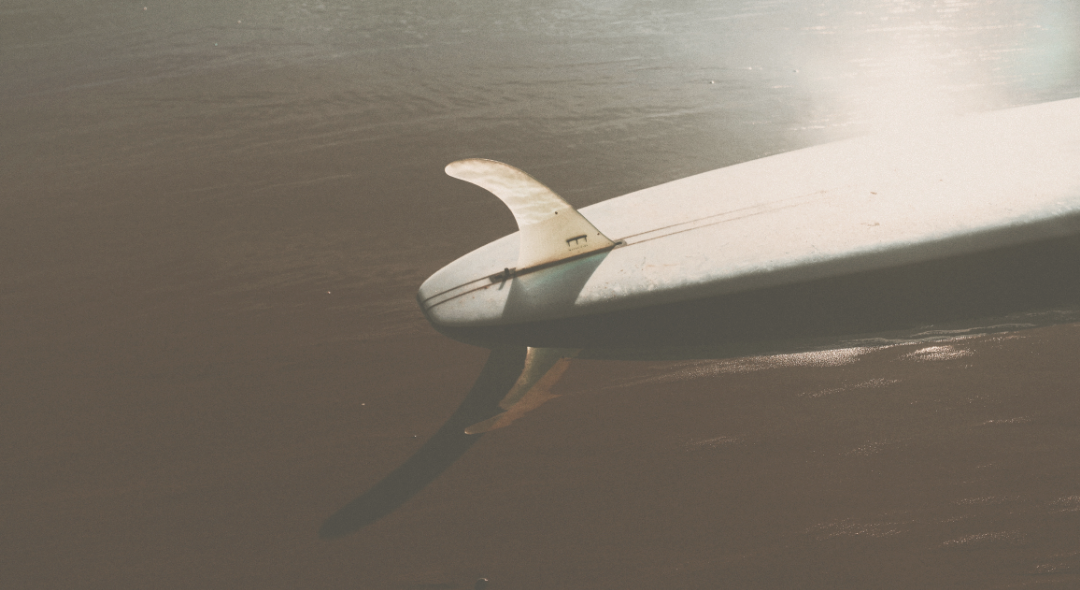
Fins: They are located at the bottom of the board and provide stability and control when turning.
deck: The top of the board that you're standing on. This area influences how stable you feel when paddling and paddling on the waves.
Bottom shape: The shape of the bottom of the board. It influences the speed and agility of the board on the wave.
Each of these features plays a role in how a board behaves. Understanding this is crucial to making the right choice.
Types of surfboards and how to choose the right one
.png)
There are many different surfboard shapes and variants, each developed for specific wave conditions and different levels. It's not an exhaustive list, but it's a very good start. If you understand the basics of each board type, you can make an informed decision as to which board will best support you on your surfing journey.
Fish Surfboard
Length: Under 6 feet
Shape: wide nose, swallow tail, flat rocker
Suitable for: Small to medium waves
Ideal for: surfers looking for speed and flow in relaxed conditions
Fish boards are fast and playful and are great for small, fun waves. They are particularly popular with advanced surfers who want to travel smoother lines on mellow waves. However, I see time and again that beginners pick up this board too early. Due to the smaller size and higher speed, the necessary control is often missing. Fish boards work best when you've already built trust and technology. As a beginner, you should focus on stability first.
Tip: Which surfboard is best for small waves?
Fish boards are perfect for small waves and help you learn speed and turns as soon as you're ready to leave your beginner board behind you.
Shortboard
Length: 5-6.5 feet
Shape: pointed nose and tail, flat rocker
Suitable for: Larger waves
Ideal for: Quick manoeuvres and tight turns
Shortboards are designed for advanced surfers who want to make fast, precise maneuvers on larger waves. They are highly responsive and agile, but require a high level of control. It's tempting to switch to a shortboard too early, especially when you're watching other surfers. However, without solid technology, it will be harder to catch waves and make progress.
Tip: When am I ready for a shortboard?
Shortboards are suitable for surfers who are confident in the basics and are looking for more performance and speed.
Gun Surfboard
Length: Starting at 7 feet
Shape: Narrow, pointed nose and tail
Suitable for: Big, powerful waves
Ideal for: Highly experienced surfers
Gun surfboards are designed for big waves, such as those found in Nazaré, one of the most famous big wave spots in the world. However, this board isn't something you should focus on at Surf Spirit. Our focus is on small to medium-sized waves and building solid foundations. Guns are only suitable for very experienced surfers who have specifically trained for extreme conditions. For most of us, they are simply too extreme.
Tip: Should I surf Big Waves?
Big wave surfing is only suitable for a very small group of highly qualified professionals who have trained for such conditions for years.
Funboard and Evolution Board
Length: 7-8 feet
Shape: Broad nose, relaxed rocker
Suitable for: beginners and advanced beginners
Ideal for: stability, lightweight paddling and forgiving rides
Funboards are ideal for beginners and intermediates. I have photographed many new surfers on these boards and can say from experience: They offer the perfect balance of stability and agility. They are easy to paddle, very forgiving and make it much easier to catch waves.
When you realize that you want more performance, Evolution Boards are the next logical step. They offer the stability of a fun board, but react much more directly. They are located between Shortboard and Mini Malibu and have a sturdy front and a more agile rear, which allows you to learn turns faster.
Tip: What is the difference between a fun board and an evolution board?
Evolution boards combine the stability of a fun board with more responsiveness and are perfect for surfers who want to evolve.
Longboard
Length: Approx. 2.5 meters (8-9 feet)
Shape: wide nose, lots of volume
Suitable for: beginners with basic knowledge, with caution
Ideal for: Relaxed, smooth browsing
Longboards are often considered beginner-friendly as they are large and sturdy and make it easy to catch waves. Many beginners are attracted to it. However, there are important points to consider. Longboards can be difficult to control due to their length of over 2 meters. If you are not yet making safe turns or have problems with positioning on the board, this can quickly become dangerous.
Longboards are also intended for advanced techniques such as cross-stepping and nose riding, which require a solid base. The best way to learn these techniques is to strengthen your board handling on a fun board. There, you can safely develop turns, control and maneuvers.
For safety reasons, I recommend learning the basics on a fun board first. As soon as you feel confident paddling and turning, you can approach a longboard. Safety should always come first.
Tip: Is a longboard good for beginners?
Longboards are sturdy and ideal for relaxed cruising, but require more control. Better start with a fun board, build up your skills and switch to longboarding later when you're ready for advanced techniques.
.png)
.png)